Can Your Boss Control Summer Dress Codes? Employee Rights
Understanding Summer Dress Code Policy in the Workplace
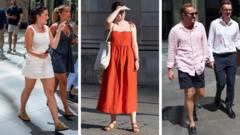
The question of what constitutes an appropriate summer dress code policy has become increasingly relevant as organizations navigate the balance between employee comfort and professional standards. Summer brings unique challenges to workplace wardrobe expectations, particularly when temperatures rise and employees seek relief through lighter, more casual clothing options such as shorts, strappy tops, and sandals. Understanding your rights regarding a summer dress code policy requires examining both employer authority and employee protections under labor law.
What Authority Does Your Employer Actually Have?
Employers possess considerable latitude in establishing and enforcing dress code requirements, including summer dress code policy guidelines. Most jurisdictions permit companies to set professional appearance standards as part of their business operations. However, this authority is not unlimited. Dress codes must comply with anti-discrimination laws, cannot target specific protected characteristics, and must provide reasonable accommodations where necessary.
Your boss can technically establish guidelines that restrict casual summer attire in client-facing roles or formal business environments. Financial institutions, law firms, and corporate headquarters typically maintain stricter summer dress code policy standards than creative agencies or tech companies. The enforceability of these policies depends on how clearly they're communicated and whether exceptions exist for legitimate circumstances like medical conditions or religious observance.
Legal Boundaries and Employee Protections
While employers maintain broad discretion over appearance standards, several legal protections limit how restrictive a summer dress code policy can be. Dress codes cannot discriminate based on sex, race, religion, or other protected characteristics. For example, prohibiting only women from wearing sleeveless tops while permitting men to do so may violate gender discrimination laws in certain jurisdictions.
Additionally, dress codes must not create undue hardship for employees with disabilities or religious beliefs. An employee whose faith requires specific head covering or modest clothing must receive accommodations within professional standards. Similarly, someone with a medical condition affecting temperature regulation deserves reasonable flexibility in summer dress code policy implementation.
Industry Standards and Practical Expectations
The reasonableness of summer dress code policy requirements varies significantly across industries. Creative sectors, startups, and technology companies often embrace casual summer dress codes, permitting shorts, t-shirts, and casual footwear. Conversely, financial services, healthcare, and customer-facing retail positions typically maintain more formal expectations even during summer months.
Professional services firms might permit business casual summer attire, allowing collared shirts or modest dresses while prohibiting denim and athletic wear. The key consideration is whether the summer dress code policy aligns with the company's brand image and the employee's job responsibilities. Customer-facing positions generally require higher formality standards than back-office roles.
Navigating Disagreements Over Summer Dress Code Policy
If you believe your employer's summer dress code policy is unreasonable or discriminatory, several steps can address the concern. First, review your employee handbook thoroughly to understand the official policy. Many organizations provide detailed summer dress code policy guidelines that employees overlook.
If the written policy seems ambiguous or overly restrictive, request clarification from human resources. Dress code policies often benefit from interpretation, and your HR department might offer flexibility in summer dress code policy application. Document any concerns about discriminatory enforcement or health-related impacts.
Should informal discussion prove unsuccessful, consult with your HR representative formally or, if necessary, seek legal counsel. If the summer dress code policy violates anti-discrimination laws or fails to provide reasonable accommodations, legal remedies may be available under employment law.
Best Practices for Dressing Professionally in Summer
Regardless of your employer's formal summer dress code policy, certain principles ensure professional appearance while staying comfortable. Choose breathable fabrics like cotton and linen that regulate temperature effectively. Light colors reflect heat better than dark tones, making them ideal for warm-weather professional settings.
Proper fit matters tremendously in summer dress code policy compliance. Loose-fitting garments maintain professional appearance while providing ventilation. Even casual summer attire looks more polished when well-tailored and appropriate for the setting. Closed-toe shoes with proper support protect feet while appearing more professional than casual flip-flops or athletic sandals.
Your summer dress code policy compliance improves when you balance personal comfort with workplace expectations. Strategic fabric choices, color selection, and fit optimization allow you to stay cool without compromising professionalism. Understanding your specific workplace summer dress code policy prevents awkward conversations and potential disciplinary issues.
Moving Forward: Communication and Clarity
The most effective approach to summer dress code policy involves clear communication between employers and employees. Progressive organizations publish detailed summer dress code policy guidelines before warm weather arrives, specifying what is and isn't acceptable. Some companies create seasonal adjustments to standard policies, acknowledging that summer conditions warrant different standards.
As an employee, proactively familiarize yourself with any summer dress code policy documentation. Ask questions about ambiguous areas before problems arise. If your workplace lacks clear summer dress code policy standards, advocate for their development. Well-defined policies protect both employers and employees by establishing mutual expectations. Understanding these guidelines ensures you can dress appropriately, comfortably, and professionally throughout the warmer months.