Anti-data center measures gain traction at state, local level
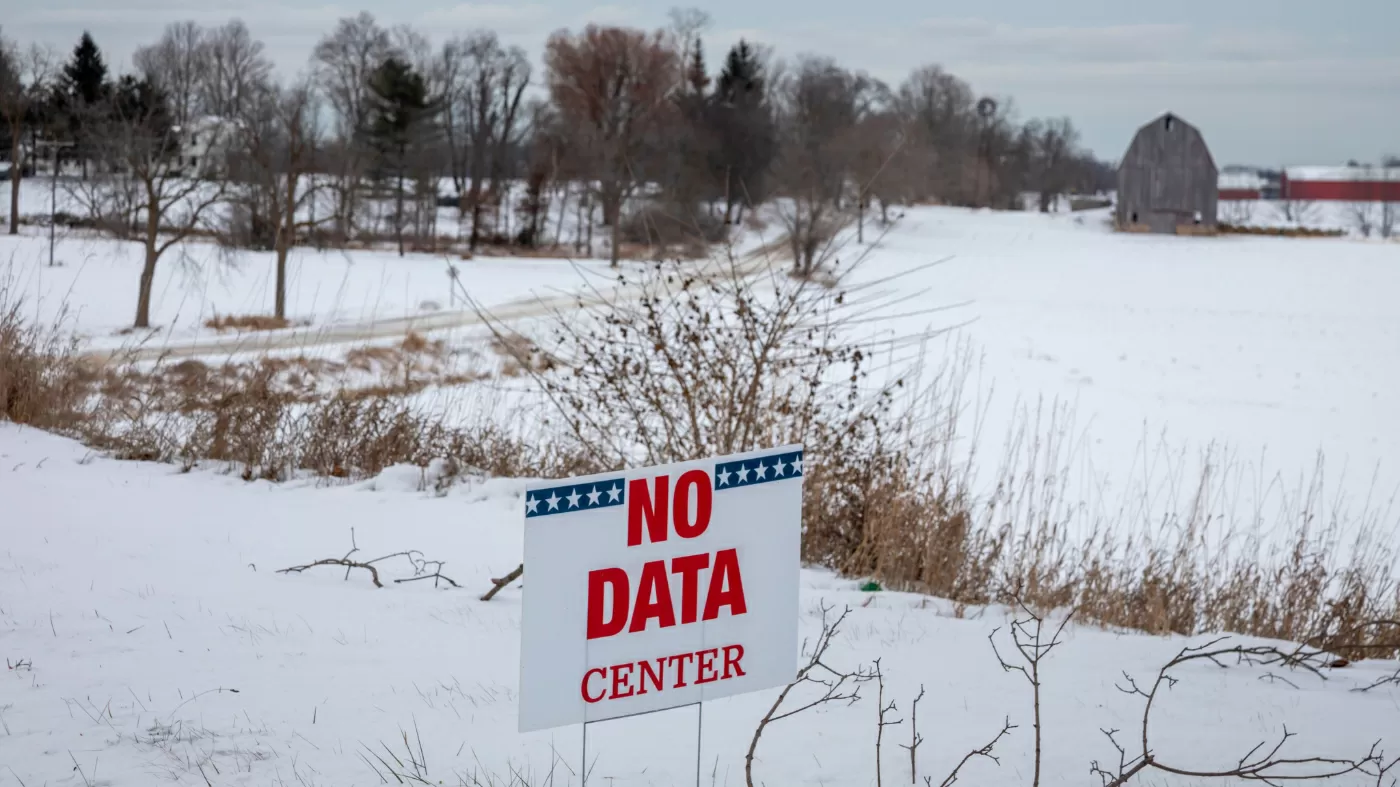
In recent years, the rapid growth of technology and the increasing demand for data storage has led to a surge in the construction of data centers across the United States. However, this trend is now facing pushback from concerned citizens and lawmakers who are questioning the impact of these massive AI infrastructure projects on their communities. In fact, measures to block or limit the development of data centers are gaining momentum at the state and local level, with the Maine Legislature becoming the first in the nation to pass a bill banning the construction of large-scale data centers.
The bill, which was passed last week, prohibits the development of data centers that exceed 50,000 square feet in size. This move has been welcomed by many residents and environmental groups who have raised concerns about the potential negative effects of data centers on their communities. These concerns range from increased energy consumption and strain on local resources to potential health hazards and displacement of local businesses.
One of the main concerns surrounding data centers is their massive energy consumption. These facilities require a significant amount of electricity to power and cool their servers, and this demand is only expected to increase as more data centers are built. In fact, it is estimated that data centers currently consume about 2% of the world's electricity and this number is projected to rise to 8% by 2030. This has raised concerns about the environmental impact of data centers, particularly in terms of carbon emissions and the depletion of natural resources.
Moreover, the construction of data centers often involves the use of large amounts of water for cooling purposes. This can put a strain on local water resources, especially in areas that are already facing water scarcity. In addition, the increased traffic and noise from data centers can disrupt the peace and quiet of residential neighborhoods, causing inconvenience and discomfort for residents.
Another issue that has been raised is the potential health hazards associated with data centers. These facilities emit electromagnetic radiation, which has been linked to various health problems such as headaches, fatigue, and even cancer. While there is still ongoing research on the long-term effects of this radiation, many are concerned about the potential risks it poses to their health and the health of their families.
Furthermore, the construction of data centers often involves the destruction of natural habitats and displacement of local businesses. This can have a negative impact on the environment and the local economy, as well as the overall character of the community. Many residents fear that the influx of data centers will lead to the homogenization of their neighborhoods and the loss of their unique identity.
In light of these concerns, it is not surprising that measures to block or limit the development of data centers are gaining traction at the state and local level. The passing of the bill in Maine is a significant step towards addressing these issues and protecting the interests of the community. It sends a strong message that the well-being of citizens and the environment should not be sacrificed for the sake of technological advancement.
However, it is important to note that not all data centers are created equal. Some companies have taken steps to make their facilities more energy-efficient and environmentally friendly. For instance, some data centers use renewable energy sources such as solar or wind power, while others have implemented innovative cooling systems to reduce their water consumption. These efforts should be recognized and encouraged, as they demonstrate that data centers can coexist with the community in a sustainable manner.
In conclusion, the passing of the bill in Maine is a significant development in the ongoing debate surrounding data center construction. It highlights the growing concerns of citizens and the need for more responsible and sustainable practices in the development of AI infrastructure. It is a step in the right direction towards finding a balance between technological progress and the well-being of communities. It is now up to other states and local governments to follow suit and take action to protect their communities from the potential negative effects of data centers.