AI Detects Heart Disease in Women Using Mammograms
Breakthrough in Cardiovascular Screening for Women
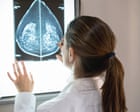
A significant medical discovery has emerged showing that AI detects heart disease women through existing breast cancer screening procedures. Artificial intelligence technology can now analyze routine mammograms to identify cardiovascular conditions that often go undiagnosed in female patients. This advancement represents a major opportunity to address heart disease, which remains the leading cause of mortality among women globally.
The research demonstrates that mammographic imaging, traditionally used exclusively for cancer detection, holds untapped potential for identifying serious heart conditions. Medical professionals have long recognized the underdiagnosis problem affecting women seeking cardiovascular evaluation, making this AI application particularly significant for public health initiatives.
How the Study Achieved These Results
Researchers conducted comprehensive analysis of mammogram scans using advanced artificial intelligence algorithms. The technology successfully identified women presenting with coronary heart disease, elevated blood pressure, and history of cerebrovascular events. By leveraging machine learning capabilities, scientists demonstrated the feasibility of extracting cardiovascular risk markers from breast imaging data that radiologists examine during routine cancer screenings.
The methodology involved training AI systems to recognize specific patterns and indicators within mammographic images that correlate with heart disease risk factors. These patterns, invisible to the naked eye during conventional radiological review, become apparent through computational analysis. The research validates that cardiovascular information exists within breast imaging, waiting to be discovered through technological advancement.
Clinical Implications for Women's Health
The findings carry profound implications for women's healthcare delivery. Routine mammography appointments, already scheduled as part of breast cancer prevention protocols, could simultaneously serve as screening opportunities for cardiovascular disease. This dual-purpose approach maximizes healthcare efficiency while improving disease detection rates among female populations who frequently experience diagnostic delays.
Women often present with atypical symptoms during cardiac events, leading to underrecognition and delayed treatment. The ability to identify heart disease through existing screening infrastructure addresses this critical gap. Incorporating AI detection technology into standard mammography procedures represents a seamless integration requiring no additional imaging appointments or patient burden.
Addressing the Underdiagnosis Problem
Heart disease remains grossly underdiagnosed in women compared to male populations. Healthcare providers frequently overlook cardiovascular symptoms in female patients, attributing them to anxiety or other conditions. This diagnostic bias contributes to worse health outcomes and delayed intervention. By implementing artificial intelligence coronary detection systems within established screening programs, medical institutions can systematically identify at-risk women before acute events occur.
The research emphasizes that women experiencing chest discomfort often receive inadequate evaluation compared to men reporting identical symptoms. Earlier identification through mammography-based AI screening could reverse this disparity, ensuring women receive appropriate cardiovascular assessment and treatment planning based on objective imaging data.
Integration Into Existing Healthcare Infrastructure
Adopting this technology requires minimal disruption to current mammography protocols. Radiologists and technicians would continue performing standard breast cancer screening while AI algorithms simultaneously analyze the same images for cardiovascular indicators. This parallel processing approach eliminates additional radiation exposure, scheduling complications, or procedural modifications that might deter patient participation.
Medical facilities already possess the imaging equipment and trained personnel necessary for implementation. The primary investment involves software integration and staff training in interpreting AI-generated cardiovascular risk assessments. Healthcare systems can deploy this technology rapidly across existing mammography departments, reaching millions of women currently undergoing routine breast screening.
Future Applications and Research Directions
The successful demonstration of heart disease detection in mammograms opens possibilities for AI analysis of other medical imaging modalities. Researchers suggest similar approaches could be applied to CT scans, X-rays, and other diagnostic images to identify multiple disease conditions simultaneously. This multi-condition detection paradigm could fundamentally transform how preventive medicine operates.
Ongoing studies will likely expand the research to larger patient populations, diverse demographic groups, and different geographic regions. Scientists aim to refine AI algorithms for improved accuracy while establishing clear clinical guidelines for physicians interpreting AI-generated cardiovascular assessments. Regulatory pathways are being explored to facilitate FDA approval and clinical adoption across healthcare systems.
Importance for Public Health
This advancement particularly benefits underserved populations with limited healthcare access. Women in rural areas or with restricted financial resources often cannot access comprehensive cardiovascular screening. Integrating heart disease detection into routine mammography democratizes access to critical health information, reducing healthcare disparities and improving population-level outcomes.
The finding underscores how technological innovation can address stubborn healthcare challenges without requiring new infrastructure or demanding additional resources from already strained medical systems. By leveraging existing equipment and procedures through intelligent analysis, healthcare institutions can expand diagnostic capabilities and improve disease prevention efforts.