Afghan Women Face Unrecognizable Lives Under Taliban After Five Years
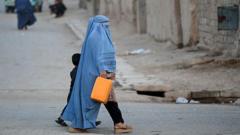
Afghan Women Under Taliban: Five Years of Dramatic Life Changes
Afghan women have endured profound transformations in their daily existence since the Taliban consolidated power five years ago. Their testimonies reveal a society where fundamental freedoms have been systematically eroded, creating conditions that many describe as unrecognizable compared to previous decades. Afghan women Taliban rule now encompasses restrictions that touch every aspect of life, from employment to education to healthcare access.
Public Floggings and Physical Punishment
Among the most distressing accounts from affected women are reports of public floggings administered as punishment for perceived violations of Taliban-imposed moral codes. These brutal practices represent a return to enforcement methods that many believed had been relegated to history. The physical punishment extends beyond formal legal proceedings, with enforcement often occurring in public spaces to demonstrate authority and discourage non-compliance.
Women describe witnessing and experiencing violent consequences for actions ranging from inappropriate clothing choices to traveling without male accompaniment. These corporal punishments serve a dual purpose: inflicting direct suffering while simultaneously creating widespread fear throughout communities. The psychological impact of witnessing such violence has created an atmosphere of constant apprehension among the female population.
Employment Barriers and Economic Devastation
Professional opportunities for Afghan women have contracted dramatically since Taliban governance began. Women previously employed in government positions, education, healthcare, and business sectors have been systematically removed from their roles or prevented from continuing their work. This economic exclusion has pushed countless families into poverty and vulnerability.
The restrictions on female employment extend beyond formal sector restrictions. Women face prohibitions on working in certain industries, appearing in public professional roles, and representing themselves in business matters. Those who managed to retain some work face severe limitations on hours, locations, and the nature of their professional activities. The cumulative effect has devastated household incomes for families dependent on female breadwinners.
Healthcare Crisis and Life-Threatening Barriers
Perhaps among the most dangerous consequences of Taliban rule are the barriers preventing women from accessing critical healthcare services. Female patients report difficulties receiving treatment from male doctors, limitations on female medical professionals, and restrictions that impede emergency medical care. These obstacles create life-threatening situations for pregnant women, those requiring surgery, and patients with serious medical conditions.
The healthcare restrictions have proven particularly devastating for maternal health. Women requiring prenatal care, delivery assistance, and postpartum treatment face significant obstacles. The combination of limited female healthcare providers and restrictions on mixed-gender medical interactions has created a public health crisis. Preventable complications during pregnancy and childbirth have increased substantially, contributing to rising maternal mortality rates across the nation.
Educational Access Dismantled
Secondary education for Afghan girls has been effectively eliminated under Taliban governance. Schools that previously educated millions of young women have been closed or converted to male-only institutions. This educational exclusion denies girls opportunities for personal development, skill acquisition, and future career prospects. The long-term implications for Afghanistan's human capital and economic potential remain severe.
University access for women has similarly been restricted or eliminated entirely. Young women who had begun higher education find themselves unable to continue their studies. This disruption affects not only individual aspirations but also professional fields including medicine, law, teaching, and engineering that require advanced education.
Social Freedom and Movement Restrictions
Beyond specific sectors, Afghan women face comprehensive restrictions on their freedom of movement and social participation. Requirements for male chaperones when traveling, restrictions on visiting public spaces, and dress code enforcement limit women's autonomy in basic daily activities. These controls extend to personal grooming choices, recreational activities, and social gatherings.
The enforcement of these social restrictions occurs through both formal Taliban authorities and informal community monitoring. Women report feeling constantly surveilled and accountable for adherence to behavioral expectations. This creates psychological strain and limits women's ability to maintain social connections and engage in ordinary activities that contribute to quality of life.
Looking Forward: The Humanitarian Perspective
Women's accounts of life under Taliban rule collectively describe a humanitarian crisis affecting half the nation's population. The restrictions on employment, education, healthcare, and personal freedom have created conditions where millions of women struggle to meet basic needs and maintain dignity. International observers and humanitarian organizations have documented the severity of these circumstances, though assistance remains limited and implementation of aid complicated by Taliban governance.
The stories of Afghan women serve as documentation of ongoing human rights challenges and the urgent need for international attention and support for this vulnerable population during one of the most difficult periods in Afghanistan's recent history.


