14 Infants Perished in Pakistan Hospital Fire: Door Access Controversy Emerges
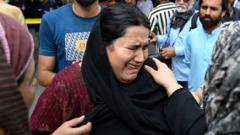
Tragic Fire Claims 14 Infant Lives at Pakistan Hospital
A devastating fire incident at a Pakistan hospital fire resulted in the tragic loss of 14 newborn babies, sparking intense debate regarding safety protocols and emergency access procedures. The incident has raised critical questions about ward security measures and whether adequate precautions were in place to protect the most vulnerable patients in the facility.
Conflicting Accounts of Ward Door Status
In the aftermath of the tragedy, significant discrepancies have emerged between witness testimonies and official hospital statements regarding the critical question of whether the neonatal ward was accessible during the emergency. Multiple eyewitnesses present at the facility during the incident have asserted that the ward entrance was secured with a locked door, potentially hampering rescue and evacuation efforts when the fire broke out.
These accounts from individuals who experienced the emergency firsthand contradict the narrative presented by hospital administration, creating a central point of contention in the ongoing investigation. The accessibility of the ward door during a fire emergency is a fundamental safety concern that directly impacts the ability of medical staff and emergency personnel to respond quickly and effectively to preserve lives.
Hospital's Official Position on Security Measures
Hospital officials have issued statements categorically denying that the ward door was locked at the time of the fire. According to the hospital's account provided to international media outlets, the entrance to the neonatal unit was not secured with a locking mechanism during regular operations. Instead, the hospital administration maintains that security personnel were actively stationed at the ward entrance to monitor and control access to the area, emphasizing that this arrangement was implemented specifically to safeguard the newborn patients.
The hospital argues that maintaining a staffed security presence represents an appropriate balance between protection and accessibility. This approach, according to hospital leadership, ensured that only authorized medical personnel and approved visitors could enter the neonatal ward while still allowing rapid emergency response when necessary. The administration's explanation attempts to address safety concerns while maintaining that their security protocols were adequate and appropriate.
Safety Protocol Implications
The controversy surrounding the Pakistan hospital fire incident highlights broader concerns about emergency access procedures in healthcare facilities, particularly in neonatal units where patients cannot advocate for themselves or assist in their own evacuation. Standard fire safety protocols typically mandate that emergency exits and critical ward entrances remain accessible without requiring special authorization during fire emergencies.
The distinction between a locked door and a guarded entrance becomes crucial in assessing whether the facility complied with international fire safety standards. Emergency response times in neonatal units are measured in minutes, and any delay in accessing the ward could prove catastrophic when infants require immediate removal from danger zones.
Investigating the Tragedy
Authorities are conducting a comprehensive investigation into the circumstances surrounding the fire and the sequence of events that led to the loss of the 14 infants. The inquiry will examine not only the physical condition of the ward at the time of the incident but also the response protocols followed by hospital staff and emergency services.
This investigation represents a critical opportunity to determine whether existing safety measures were adequate, properly maintained, and effectively implemented during the emergency. The findings will be essential for understanding how such a tragedy occurred and what preventive measures could be implemented across healthcare facilities to prevent similar incidents in the future.
Broader Healthcare Safety Concerns
The incident at the Pakistan hospital fire has prompted renewed discussions about safety standards in healthcare facilities throughout the region and globally. Neonatal intensive care units house the most vulnerable patient population, requiring exceptionally stringent safety protocols and emergency response procedures. Every aspect of facility design, maintenance, and operational procedures must be optimized to ensure rapid emergency response and the protection of newborn lives.
Healthcare administrators, fire safety officials, and policymakers are now examining whether current regulations and voluntary standards adequately address the unique challenges of protecting neonates during emergencies. The tragic loss of these 14 infants serves as a sobering reminder of the critical importance of rigorous safety compliance in hospital settings.


